
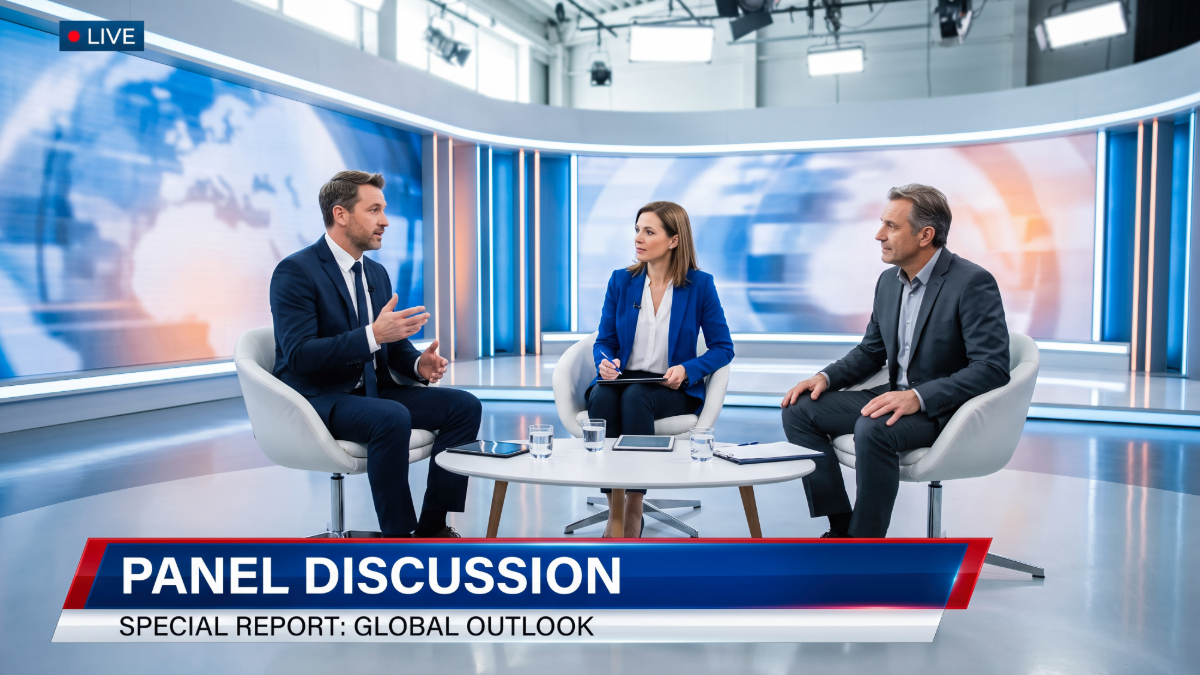
Investment managers spend years developing their expertise, analyzing markets, and making decisions on behalf of investors. But being knowledgeable about the markets doesn't automatically make someone a strong media spokesperson.
A portfolio manager may be comfortable discussing investment strategies with clients or colleagues, but answering questions from a journalist or appearing on live television is a different experience. Interviews move quickly, questions can be unpredictable, and there may be only a few minutes to communicate an important message.
For investment firms, media interviews offer an opportunity to share expertise, build credibility, and reach a wider audience. But preparation matters. How can firms determine whether their spokespeople are truly ready, and what role can media training for investment managers play?
Market Expertise Is Only the Starting Point
Even experienced investment managers can find media interviews challenging, particularly when they're accustomed to discussing their strategies with clients or colleagues rather than a broader audience.
A strong spokesperson should be able to communicate their views clearly, engage in a conversation, and explain the reasoning behind their investment decisions.
Personality also plays a role. Some managers are naturally outgoing and comfortable answering questions on the spot, while others may need more preparation and practice to feel confident. Neither approach necessarily determines how successful someone will be in an interview.
What matters is a willingness to engage, share thoughtful perspectives, and become comfortable communicating outside of the usual client or investment team discussions.
Preparing for different types of media interviews
Not all media interviews are created equal. A conversation with a financial newspaper reporter is very different from appearing on live television.
In a print interview, a portfolio manager may have 30 minutes to an hour to explain their outlook and the reasoning behind their views. On television, that same manager may have just five to ten minutes, with individual answers lasting only 30 seconds or so. There's less time to get a point across, and the conversation needs to be informative while keeping viewers engaged.
Media interview preparation often begins with a briefing from the PR team, providing background on the journalist or host, their recent coverage, the outlet's audience, and likely discussion topics.
A media-ready spokesperson understands these expectations and can adjust their communication style accordingly, whether that means providing detailed answers to a print reporter or delivering concise, engaging commentary on television.
Make Complex Investment Ideas Easy to Understand
Financial markets are complicated, but effective spokespeople know how to explain complex ideas without overwhelming their audience.
Industry terminology may be familiar to portfolio managers and financial advisors, but not every reader or viewer has the same background. That doesn't mean oversimplifying an investment thesis. It means identifying the most important takeaway and explaining why it matters.
Consider a fixed-income manager discussing changes in the Treasury yield curve. Rather than immediately diving into technical terminology, they might begin by explaining what those changes suggest about interest rates, inflation, or economic growth, and how they may influence portfolio decisions.
Specific examples involving a sector, company, or investment decision can also help make a manager's perspective more accessible and engaging.
Can They Go Beyond the Talking Points?
For portfolio managers, one of the clearest signs of media readiness is the ability to discuss the markets naturally, without relying on prepared responses.
Talking points provide a useful foundation, but journalists want to understand how a manager thinks, what informs their decisions, and where their perspective may differ from others in the market.
For example, a portfolio manager may be prepared to discuss their outlook for equities, but can they explain how recent developments have influenced their thinking or provide specific examples of where they're finding opportunities?
A strong spokesperson doesn't need a rehearsed answer for every question. They should be comfortable having a genuine conversation and responding thoughtfully as it develops.
Just as importantly, they should know how to pivot when a question falls outside their expertise or they aren't in a position to comment. Rather than guessing, a manager can acknowledge the limits of their knowledge and redirect the conversation to an area where they can offer informed insight. For example, "That's not an area I follow closely, but what I can speak to is..." Knowing when to pivot helps maintain credibility without disengaging from the conversation.
Can They Handle Tough Media Interview Questions?
Not every media interview will be a straightforward conversation about market opportunities. Journalists may challenge a manager's outlook, question their investment decisions, or ask why their views differ from the broader consensus.
A media-ready spokesperson should be comfortable defending their perspective without becoming defensive. They should be able to explain the research behind their views, acknowledge different opinions, and remain composed when faced with challenging questions.
Journalists aren't always looking for someone who agrees with the market. They're looking for informed perspectives and the reasoning behind them. A manager who can confidently explain their position, even when questioned, is better equipped to make a lasting impression.
Make the Most of the Media Opportunity
A successful media interview isn't just about getting a firm's name in the news. It's about answering the journalist's questions and contributing something valuable to the conversation.
There is also room to connect those insights to the firm's investment strategy when relevant. If a manager is discussing opportunities in international equities, for example, explaining how that outlook influences their portfolio decisions can add useful context without turning the interview into a product pitch.
A strong interview can also lead to future opportunities. Journalists remember sources who offer thoughtful perspectives, respond to questions, and make complicated topics easier to understand. Those relationships can help position an investment manager as someone reporters turn to when new stories develop.
Is Your Investment Manager Ready for Media Interviews?
Not every investment professional will be a natural in front of a camera or immediately comfortable speaking with reporters. But that doesn't mean they can't become an effective spokesperson.
What matters is their willingness to engage, ability to communicate clearly, and confidence in handling conversations that don't always go as expected.
For investment firms, identifying and developing the right spokespeople is an important part of an effective financial services media relations strategy. Media training and practice interviews can help investment managers sharpen their communication skills, prepare for challenging questions, and become more comfortable speaking with journalists.
After all, securing the interview is only the beginning. What the spokesperson does with that opportunity is what makes it count.
FREQUENTLY ASKED QUESTIONS
How can you tell if an investment manager is ready for media interviews?
A media-ready manager can explain their views clearly, engage in a natural conversation, and respond thoughtfully to questions, including those outside their expertise.
Does a portfolio manager need prior media experience to be a good spokesperson?
Not necessarily. Investment expertise, strong communication skills, and a willingness to engage are good foundations. Preparation and practice can help managers become more comfortable speaking with journalists.
What does media training for investment managers include?
Media training can include practice interviews, guidance on communicating complex investment ideas, preparing for challenging questions, and learning how to adapt responses for print, broadcast, and digital media.
Why is media training important for investment managers?
Media training helps investment managers build confidence, communicate under time constraints, and handle challenging questions. It can also help firms identify where potential spokespeople need additional guidance.